
Smart Control System Automation for Aquaculture and Fish Farming
Monitoring and Control of Fish FarmsGamma uses IoT technology to automate fish farms, increasing productivity while reducing costs. With remote monitoring and control systems, it allows precise environmental management. Join us to explore the unique features and installation process of this system.
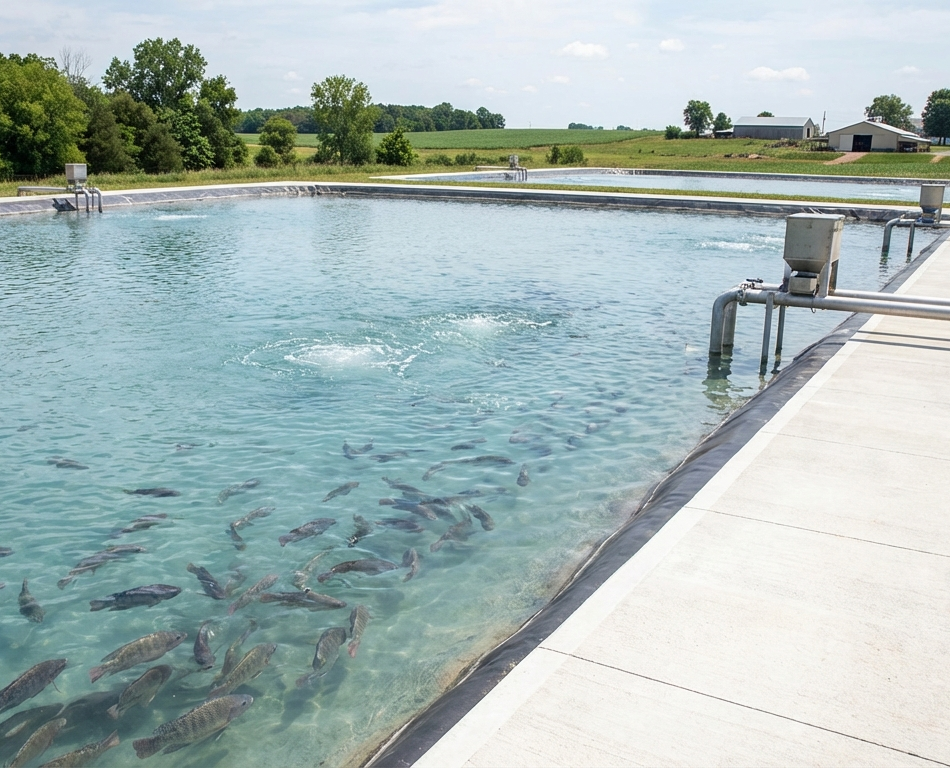
FishBreedingAutomationTitle3

Gamma, by offering smart solutions at reasonable costs, helps reduce operational expenses and increase the efficiency of industrial centers, leading to significant financial savings.

The Gamma support team is available 24/7 throughout the week to address customers needs and issues, ensuring uninterrupted operations at industrial centers.

Gamma provides regular and ongoing updates, ensuring that systems are always equipped with the latest technology and optimal performance for customers.

Gamma, as a fully localized product, has been designed and developed with a deep understanding of the specific needs and conditions of the domestic industry, resulting in better alignment with customer requirements and local conditions.
Smart Automation and Monitoring of Aquaculture Centers
The Gamma smart control system is a comprehensive, advanced solution for automating aquaculture centers. Leveraging technologies like the Internet of Things (IoT), it provides numerous features to managers and users of industrial pools, enhancing efficiency and reducing costs. IoT broadly refers to connecting objects (excluding devices like smartphones and computers) to the internet. Kitchen appliances and heart rate monitors can join the IoT network, and as its scope grows, more items will be added. IoT defines objects that communicate, creating a network for connected devices to interact and coordinate tasks. From simple sensors to smartphones, these can interconnect. Smart internet enables gadget communication, forming the basis for pool, home, and other environment automation. Smart equipment sensors collect environmental data and share it via IoT. For instance, sensors detect low water levels and notify smart pumps, which then pump water based on pre-set limits. Now that you understand Gamma’s functionality, you might wonder which parts of your facility can be automated. Smart technology, with specific gadgets, can transform your aquaculture center into a smart one. Below, we introduce gadgets that turn a fish pool into a smart pool.
Temperature Sensors
Temperature sensors play a vital role in fish farms. Temperature is a critical environmental parameter affecting aquatic health and growth. These sensors continuously measure water temperature and send data to the central system, maintaining optimal levels and enabling quick responses to abnormal fluctuations.
pH Sensors
Monitoring water pH is essential for aquatic health and optimal growth. pH sensors continuously measure acidity or alkalinity, sending data to the management system. This allows pH maintenance within an optimal range, with immediate adjustments if needed, reducing stress and enhancing aquatic well-being.
Dissolved Oxygen Sensors
Dissolved oxygen is key to aquatic survival. These sensors measure oxygen levels in water in real-time, sending data to the management system. If levels drop below optimal, actions like activating aeration systems can be taken, preventing mortality and ensuring ideal growth conditions.
Salinity Sensors
Salinity is crucial, especially in shrimp farms and other saltwater aquaculture. Salinity sensors measure dissolved salt levels, sending data to the management system. Precise salinity adjustments improve aquatic health and growth, with quick responses to unwanted changes.
Online Monitoring Systems
Online monitoring systems allow managers to continuously track environmental conditions and farm performance in real-time. Using various sensors, they collect data on temperature, pH, dissolved oxygen, salinity, and other vital parameters, sending it to central servers. Data is displayed live on web platforms or mobile apps, enabling supervision from anywhere, anytime. This aids timely decisions, boosting productivity and reducing operational risks.
Remote Control Systems
Remote control systems let users manage equipment and environmental conditions from any location at any time via mobile apps or web platforms. Managers can adjust parameters like temperature, feed levels, oxygen, and salinity, responding quickly to changes. These systems also send instant alerts for disruptions or sudden environmental shifts, preventing serious issues.
Technologies Used in Smart Aquaculture Control Systems
Sensors:
Precise sensors measure and monitor parameters like temperature, humidity, light, and air quality.
Management Software:
Advanced software collects, analyzes, and displays data graphically and understandably.
Mobile Applications:
Mobile apps enable remote monitoring and management, providing access to information and system control anytime, anywhere.
Automated Systems:
Automated systems adjust and control various parameters intelligently without human intervention.
Cost of Automating Aquaculture Farms
A common question is the cost of smart systems. This section examines the factors affecting costs and the economic benefits of these systems.
Smart aquaculture control system costs vary based on several factors:
Size and Scale:
Larger facilities require more sensors and equipment, increasing costs.
Type and Number of Sensors:
The type and quantity of sensors and equipment vary by facility needs, affecting the final cost.
System Complexity:
Some aquaculture centers may require more complex, specialized systems, raising costs.
Customization:
Customizing systems to meet specific fish farm needs can also impact costs.
Production and Implementation Process of Industrial Automation
After installation and setup, Gamma offers a one-year unconditional warranty along with 10 years of after-sales service for its products, ensuring customers receive full support in case of any issues. This warranty guarantees the product quality and reliability.
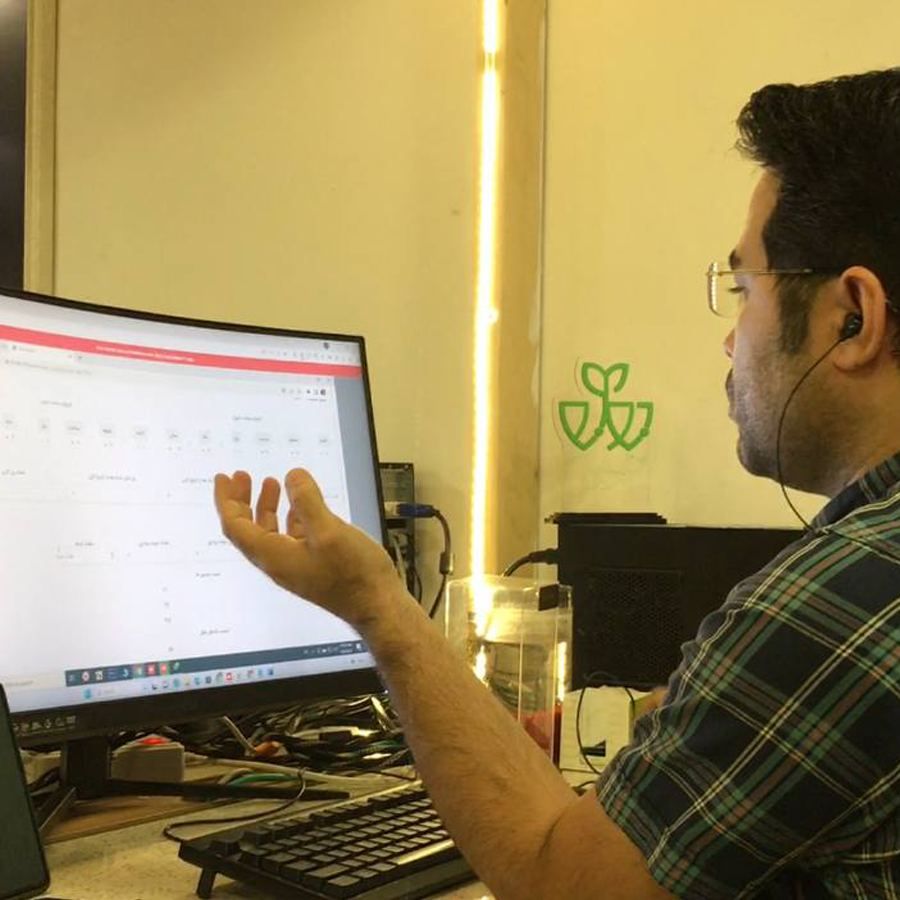
At this stage, the Gamma expert team holds consultation sessions to identify the customer specific needs and challenges, proposing the best smart solutions. These consultations ensure the final solution is optimized and tailored to each customer unique conditions.
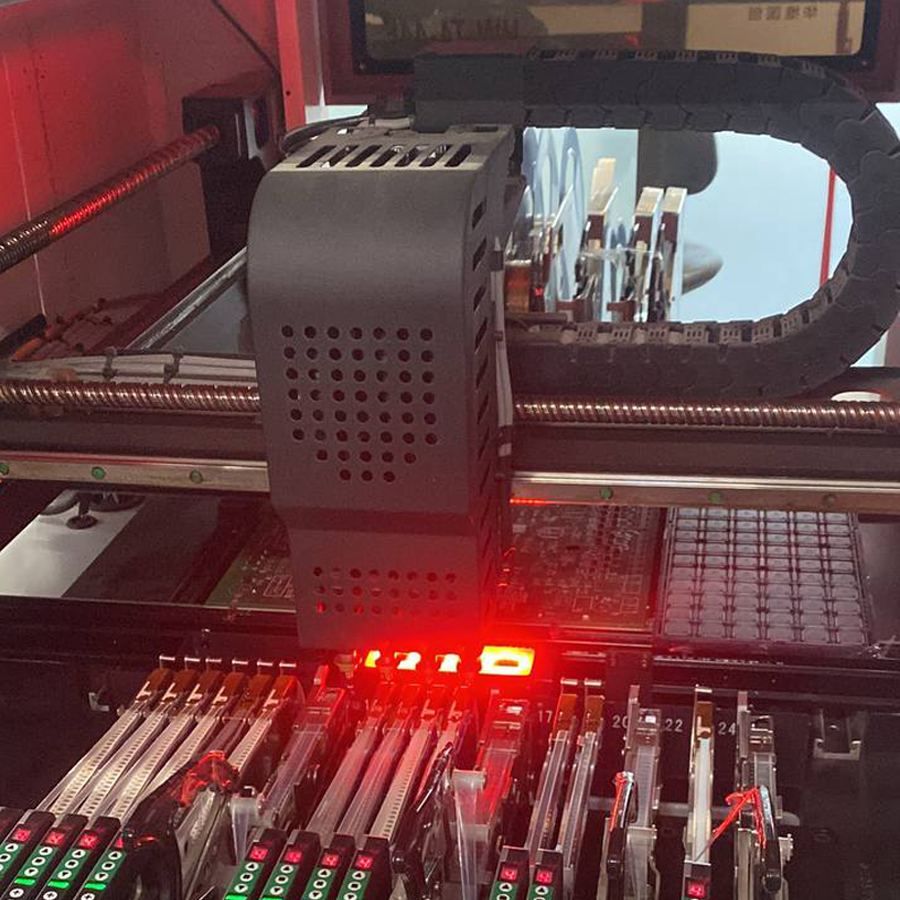
After identifying needs, the smart system is assembled based on the customer specifications and requirements. This stage involves precise hardware and software adjustments to meet specific needs and ensure optimal system performance.
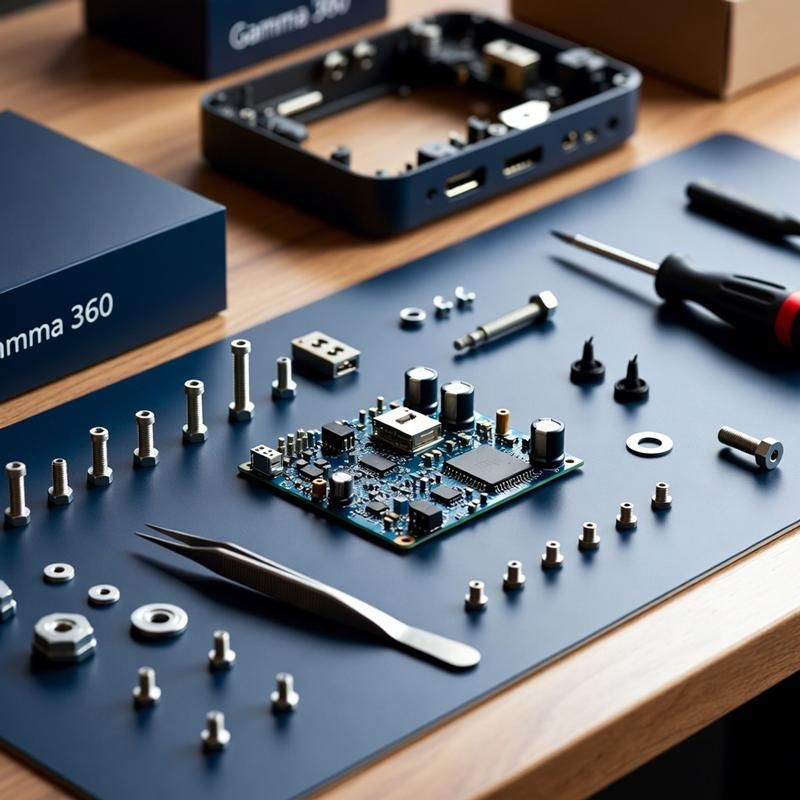
At this stage, assembled systems are thoroughly tested and inspected to identify and resolve any potential issues. The installation team then plans and prepares the systems for on-site setup. The approximate timeline for an average project is about one month from contract signing and order finalization to the start of use.
Frequently Asked Questions
Aquaculture automation uses modern technologies like sensors, IoT networks, and remote control systems for precise, efficient monitoring and management of fish pools and farms.
Benefits include increased productivity, reduced operational costs, improved water quality, and enhanced production safety.
The remote control system allows users to monitor and manage environmental conditions like temperature, pH, and dissolved oxygen via an app or web platform.
Sensors for temperature, pH, dissolved oxygen, EC, and other key environmental parameters are used in fish farm automation.
Automation optimizes resource use, reduces labor needs, prevents waste, and improves operational efficiency, lowering costs.
Smart systems are designed for easy installation and use but require initial training and regular maintenance.
Sensor-collected data is sent to a software platform, allowing viewing, analysis, and reporting.
Yes, it requires internet for sensor communication and remote control. If disconnected, some control features may be unavailable.
Costs vary by farm size and complexity, including equipment, installation, and service/support expenses.
Yes, Gamma systems are widely applicable to various fish farm sizes and types, improving environmental conditions and productivity.