
Smart Irrigation Control System Automation
Automatic Irrigation ManagementIn today world, smart technology has become an essential requirement across all sectors, particularly in agriculture and irrigation. With the growing population and increasing demand for food resources, optimizing water management has turned into a significant challenge. Smart irrigation systems, leveraging advanced technologies, assist farmers in meeting plants water needs precisely and efficiently, thereby boosting productivity. The Gamma Smart Irrigation System, with its monitoring, control, and precise scheduling capabilities, helps you minimize water consumption while maximizing your yields. In this article, we will introduce the key features, implementation process, functionality, and installation costs of this product. Stay with us.
- ● کنترل روشنایی هوشمند
- ● تنظیم دما و تهویه
- ● کنترل از راه دور
- ● مدیریت مصرف انرژی
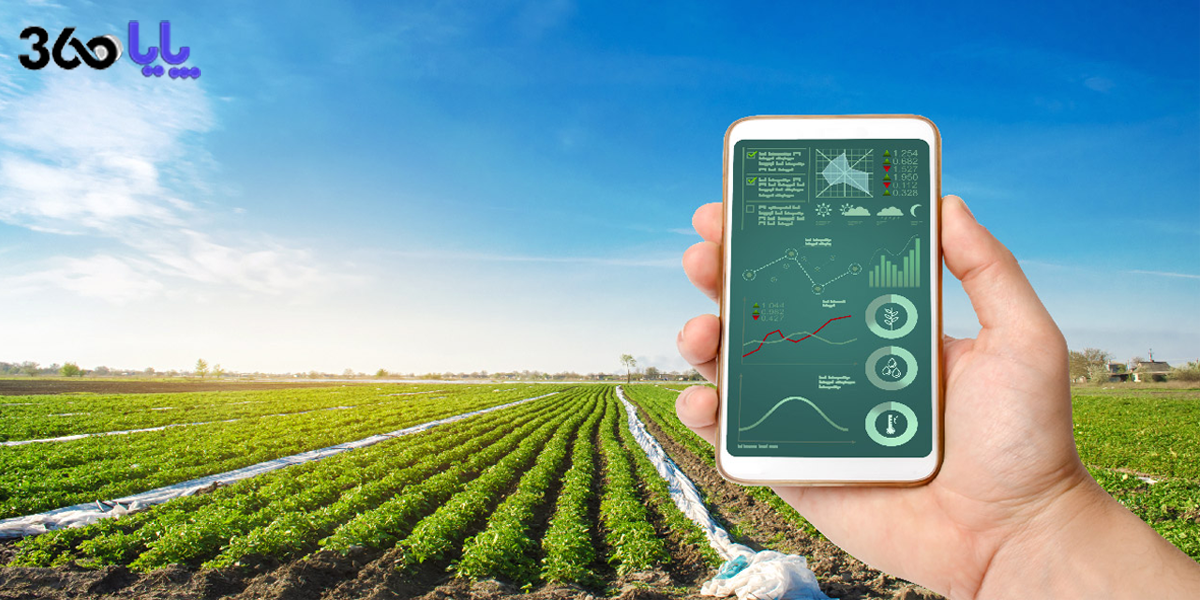
Unique Features of the Remote Control Device

Gamma, by offering smart solutions at reasonable costs, helps reduce operational expenses and increase the efficiency of industrial centers, leading to significant financial savings.

The Gamma support team is available 24/7 throughout the week to address customers needs and issues, ensuring uninterrupted operations at industrial centers.

Gamma provides regular and ongoing updates, ensuring that systems are always equipped with the latest technology and optimal performance for customers.

Gamma, as a fully localized product, has been designed and developed with a deep understanding of the specific needs and conditions of the domestic industry, resulting in better alignment with customer requirements and local conditions.
Features of the Smart Irrigation System
Using this method provides you with features that are inaccessible with traditional irrigation techniques. Some of the features you can access with smart irrigation systems include:
Remote control of the irrigation system via computer and mobile phone
Assisting the operator in determining the best irrigation timing using sensors and other measured parameters
Ability to automatically adjust the irrigation system for gardens, farms, yards, and agricultural lands
Option to add various sensors to identify plant needs
Adjusting the required water pressure based on the type of agricultural land and target area
Utilizing comprehensive weather data to stop or reduce irrigation based on received weather forecasts
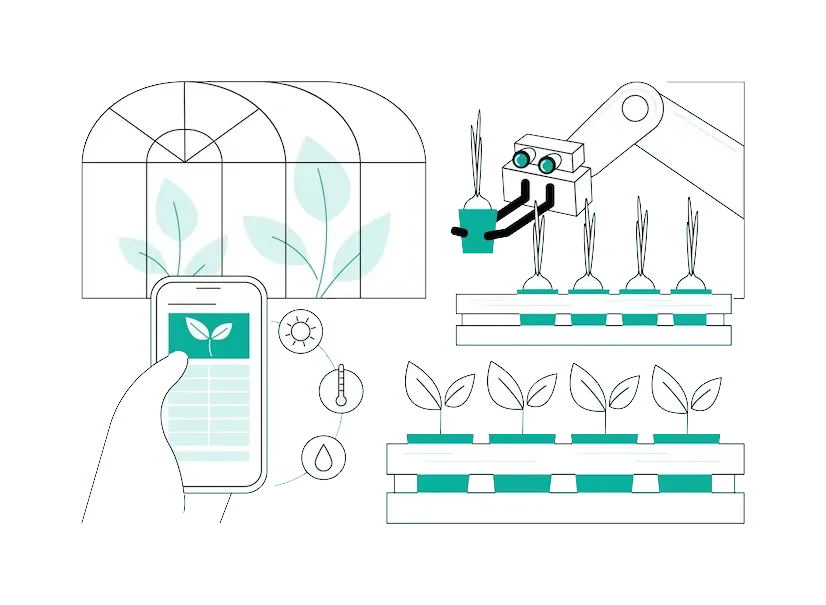
Smart Irrigation System Performance
The smart irrigation system operates by collecting data through various sensors integrated into it. Gathering essential information about soil moisture, land conditions, and ambient temperature enables the system to determine the optimal irrigation timing. The collected data is sent to a small electronic board known as the central controller. Since various conditions are pre-programmed before receiving the data, all equipment and connections in this irrigation system—such as drip and pipe irrigation—are under control. Users can adjust all pre-set settings in the irrigation system based on different conditions, modifying moisture or temperature ranges as needed. These adjustments allow the system to start or stop irrigation once the data reaches the set thresholds.
Smart Central Controller
The smart central controller is responsible for processing data collected from sensors and weather information.
Using intelligent algorithms, this system determines the best time and amount for irrigation.
The central controller automatically, or through user intervention, executes irrigation programs and applies necessary settings.
Through applications and management dashboards, it provides farmers and managers with information and enables control and monitoring.
Sensors
They measure soil moisture levels and send the data to the central controller, helping to accurately determine plants water needs.
They assess environmental conditions, providing data on air temperature and relative humidity, which aids in irrigation decision-making.
They measure water consumption in irrigation systems and prevent water wastage.
They measure sunlight intensity and duration, which can help adjust irrigation timing throughout the day.
Weather Section
It provides data such as precipitation forecasts, temperature, humidity, and wind speed, which influence irrigation scheduling.
Using weather data, the central controller can accurately predict weather conditions and adjust irrigation programs accordingly.
Weather data, combined with sensor data, provides a comprehensive view of current and future environmental conditions, enabling more optimal decisions.
برای پیشرفت کسبوکار خود، همین امروز قدم بردارید و مشاوره تخصصی دریافت کنید.
تیم ما آماده است تا بهترین راهکارها را برای شما ارائه دهد.
Smart Irrigation System Costs
The smart irrigation system is a long-term, intelligent investment that optimizes water usage and increases productivity. The cost of this system depends on the following factors:

Installation costs depend on the size and scale of your land or industrial unit. Larger projects require more equipment and sensors, which may increase costs.

The choice of sensors and equipment can affect the final cost. More advanced systems typically have higher costs but offer better performance.

In some cases, updating or modifying existing infrastructure may be necessary, which can increase installation costs.

Using experienced professionals for installation and setup is essential. These costs can vary depending on the time required.
Production and Implementation Process of Industrial Automation
After installation and setup, Gamma offers a one-year unconditional warranty along with 10 years of after-sales service for its products, ensuring customers receive full support in case of any issues. This warranty guarantees the product quality and reliability.
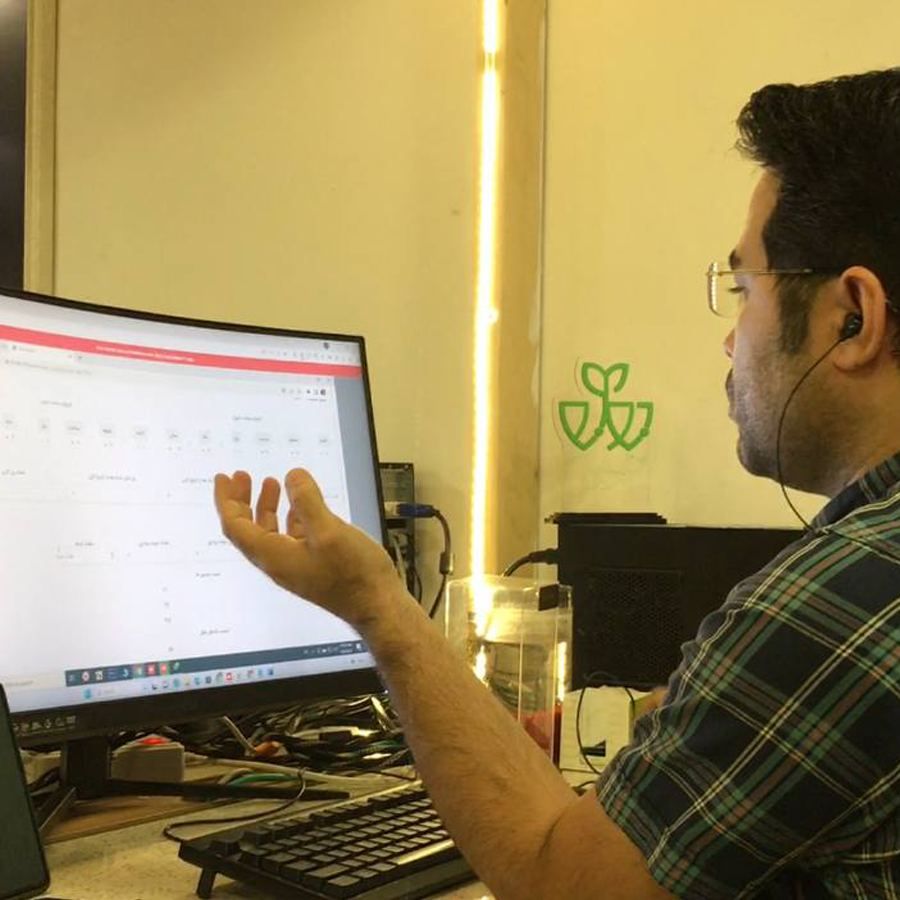
At this stage, the Gamma expert team holds consultation sessions to identify the customer specific needs and challenges, proposing the best smart solutions. These consultations ensure the final solution is optimized and tailored to each customer unique conditions.
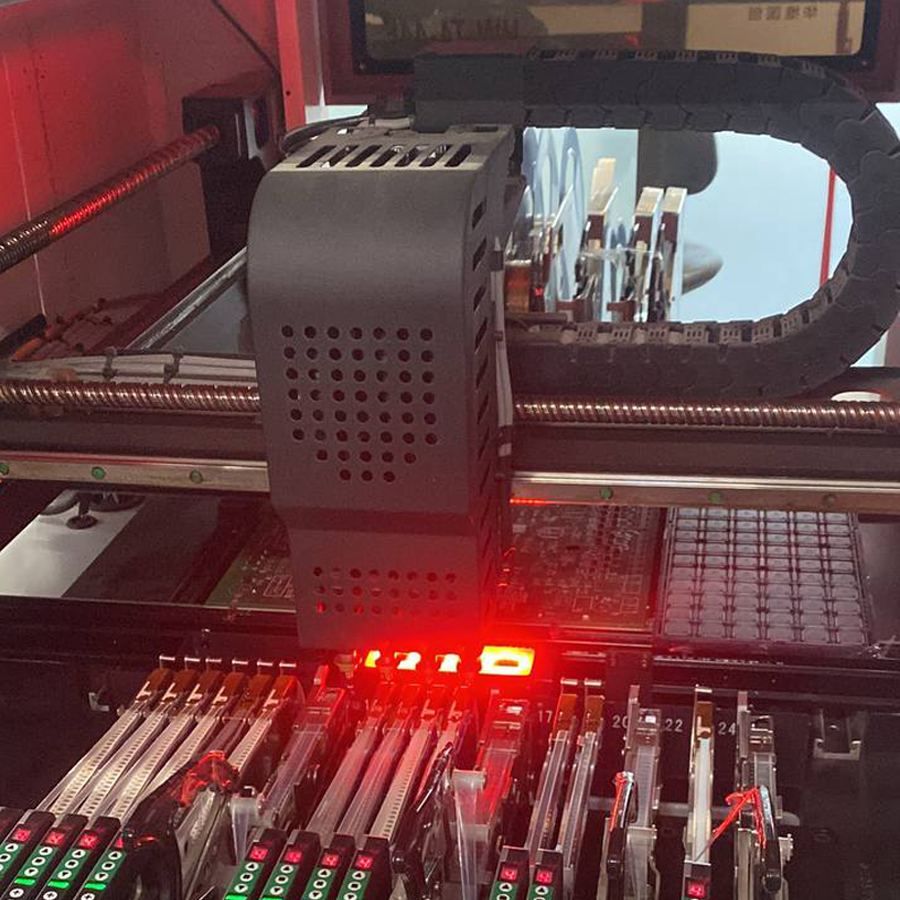
After identifying needs, the smart system is assembled based on the customer specifications and requirements. This stage involves precise hardware and software adjustments to meet specific needs and ensure optimal system performance.
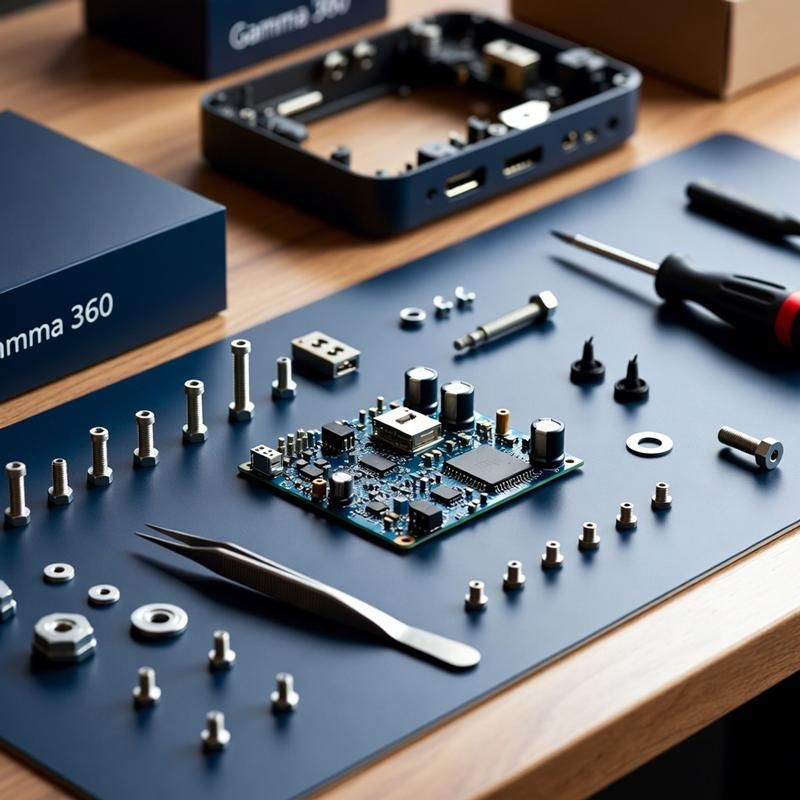
At this stage, assembled systems are thoroughly tested and inspected to identify and resolve any potential issues. The installation team then plans and prepares the systems for on-site setup. The approximate timeline for an average project is about one month from contract signing and order finalization to the start of use.
Frequently Asked Questions
Smart irrigation is a system that uses sensors and advanced technology to automatically and optimally adjust irrigation timing and volume.
Benefits of smart irrigation include water savings, increased crop productivity, reduced operational costs, and optimized natural resource management.
The system collects data from soil moisture sensors, temperature sensors, and weather information to automatically implement irrigation programs.
Yes, installing a smart irrigation system requires expertise and experience to ensure proper and efficient implementation.
Smart irrigation systems can be controlled online via applications or management dashboards.
No, this system can also be used in various industries, gardens, and urban green spaces.
Users can access irrigation and environmental condition data through mobile apps or websites.
Yes, the smart irrigation system is expandable, and new sensors and equipment can be added to it.
Costs depend on the project scale and equipment type, but the initial investment is typically offset by long-term savings.
Yes, for optimal performance, the system requires periodic monitoring and maintenance, including sensor checks and software updates.